
Asphalt is one of the most durable and cost-effective paving materials available, but its long-term performance depends on attentive maintenance and proper site design. When property owners overlook subtle warning signs or skip foundational care, even newly paved surfaces can deteriorate years ahead of schedule. As seasoned specialists among paving and asphalt companies, we understand the investments you make in your commercial lots and residential roadways. By avoiding frequent pitfalls—such as unchecked cracks, drainage oversights, and skipped protective treatments—you can protect your pavement, maintain clean curb appeal, and maximize your property investment for decades to come.
Common Mistakes That Shorten the Life of Your Asphalt
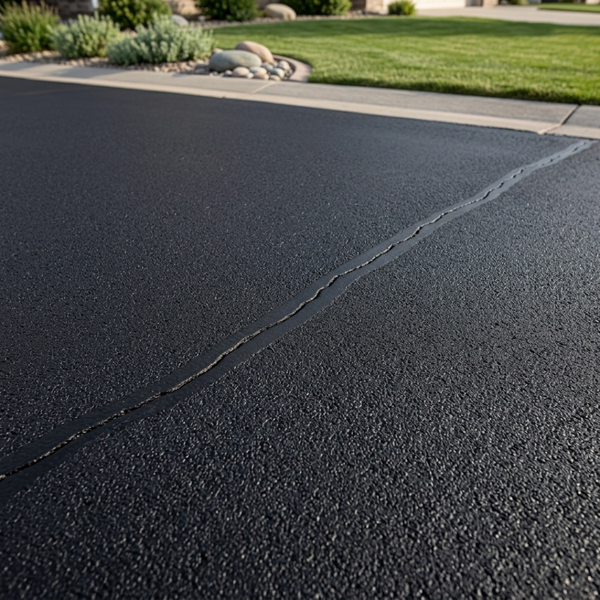
Neglecting Early Surface Cracks
Small hairline cracks may seem harmless initially, but ignoring them allows moisture to seep beneath the pavement surface. When water penetrates the base material, it weakens the subbase and accelerates erosion. As seasonal temperature fluctuations cause expanding and contracting, small fissures rapidly transform into severe potholes, compromising structural integrity and requiring expensive premature reconstruction across your property.
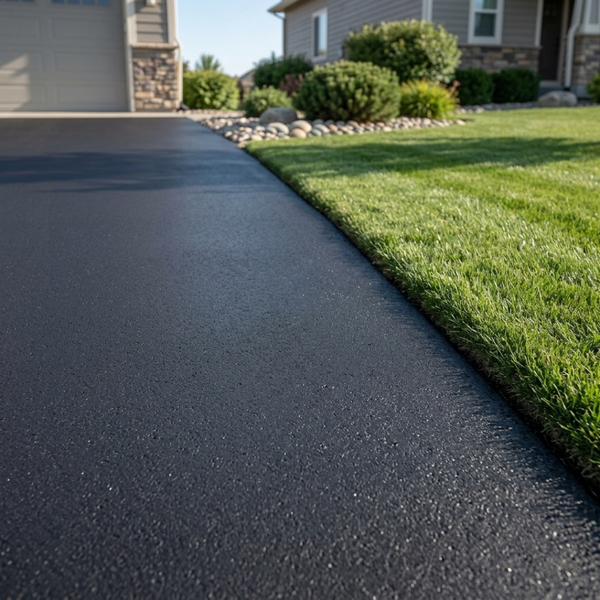
Delaying Routine Sealcoating Applications
Unprotected asphalt remains constantly exposed to oxidation, harsh ultraviolet radiation, and automotive fluid leaks that dissolve binding agents. Skipping scheduled sealcoating allows bitumen to dry out, lose flexibility, and become brittle. Applying protective sealants every few years shields the surface against chemical degradation and water intrusion, preserving a rich dark finish while extending pavement life significantly.
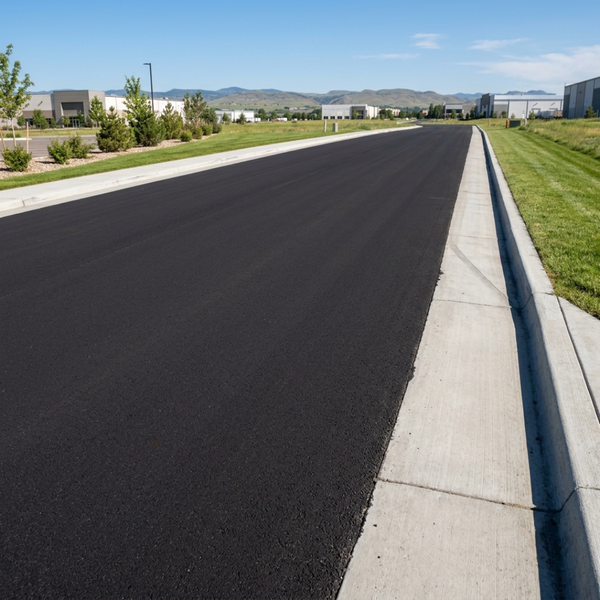
Overlooking Poor Drainage and Standing Water
Standing water represents one of the most destructive threats to paved surfaces. When pavement lacks proper slope or drainage planning, pooling water gradually softens the supporting subbase underneath the asphalt layer. This hidden instability creates localized depressions, edge crumbling, and widespread alligator cracking. Ensuring positive runoff away from paved sections preserves subgrade firmness and prevents early failure.
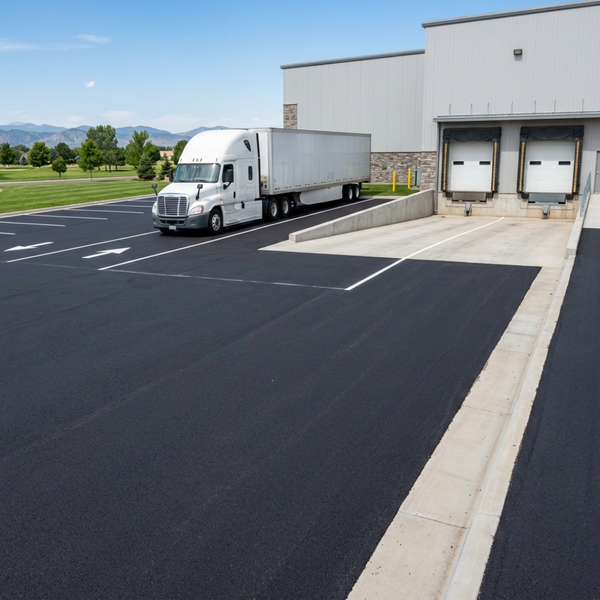
Subjecting Pavement to Excessive Weight Loads
Every asphalt installation is engineered with a specific load capacity based on anticipated daily traffic. Allowing oversized freight trucks or heavy construction machinery onto asphalt designed solely for passenger vehicles causes severe deflection. Over time, repeated excessive weight crushes the subgrade aggregates, producing irreversible rutting, deep surface depressions, and foundation fracturing that simple maintenance patches cannot remedy.
Protecting your asphalt investment requires proactive attention to cracking, water runoff, heavy weight stress, and regular surface sealcoating. Addressing these common issues early preserves the structural base and saves thousands in premature resurfacing costs. At Durden Construction, we draw on more than four decades of dedicated grading, concrete, and paving experience across the Central Coast to keep your surfaces smooth, durable, and resilient. If you would like to assess your pavement's current condition or learn more about our tailored maintenance and paving solutions, explore our service resources or reach out to our knowledgeable team for a comprehensive project assessment.