
Maintaining durable surfaces around your home or commercial facility requires balancing budgetary priorities with realistic craftsmanship limits. While small cosmetic repairs often tempt property owners into hands-on weekend projects, structural groundwork presents high-stakes challenges. We understand how tempting it is to cut costs, but knowing the clear boundaries between DIY tasks and specialized equipment makes every dollar work harder.
DIY vs. Professional Paving: When to Save and When to Splurge
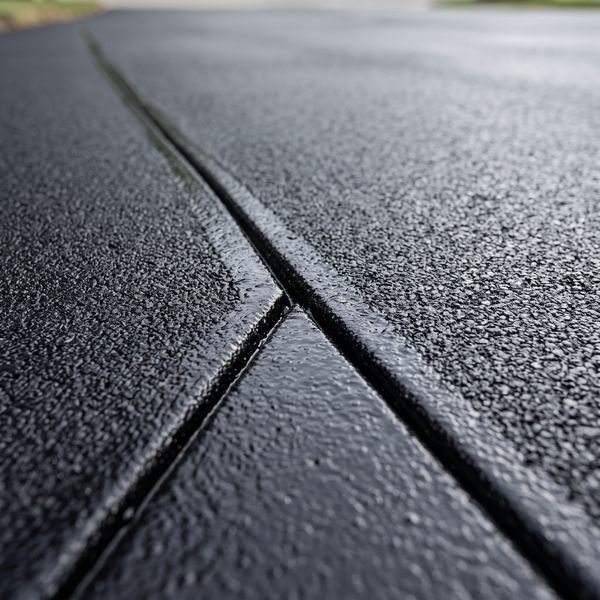
When to Save: Simple Surface Patching and Crack Sealing
Minor hairline cracks and small, localized depressions are manageable tasks for ambitious property owners with retail cold-patch compounds. Addressing surface fissures before rainfall causes water penetration protects your base from erosion. Applying bottled sealants requires basic tools and minimal labor, allowing you to prolong overall pavement life while keeping routine seasonal maintenance costs low.
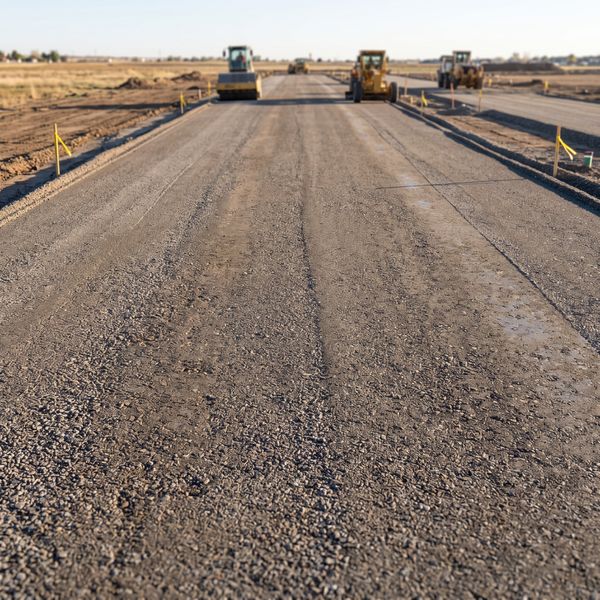
When to Splurge: Structural Subgrade and Site Grading
Any project demanding ground excavation, soil stabilization, or slope correction requires industrial machinery and engineered slope calculations. Attempting grading without heavy compactors leads to standing water, early structural buckling, and catastrophic base collapse. Established paving and asphalt companies guarantee precise sub-base compaction and proper drainage corridors, preventing premature subgrade failure that no surface layer can ever fix.
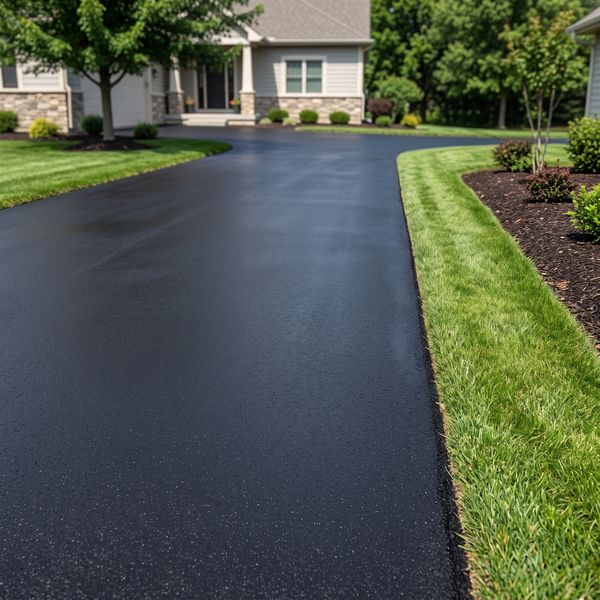
When to Save: Routine Protective Topcoat Applications
Regular surface upkeep, such as brush-applying liquid asphalt emulsion over sound, uncompromised driveways, makes an accessible DIY weekend effort. Provided you thoroughly power-wash the substrate, fill tiny pits, and clear debris beforehand, a fresh coat enhances rich visual contrast. It acts as a sacrificial barrier against UV oxidation and motor oil spills.
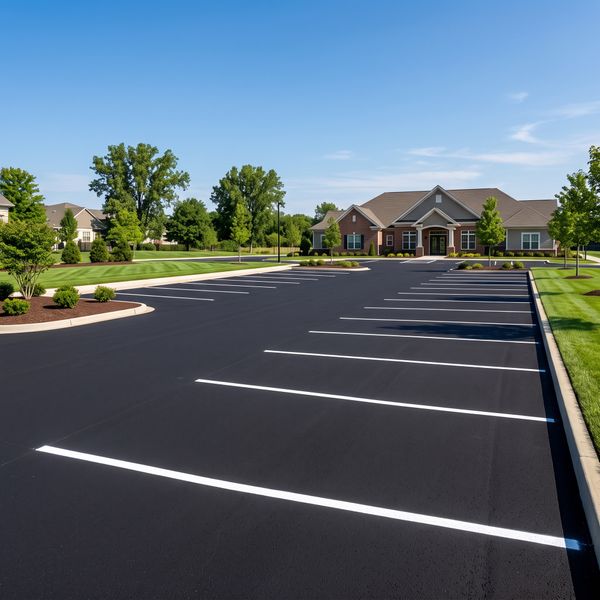
When to Splurge: Full Replacements and Hot-Mix Overlays
Extensive alligator cracking, wide depressions, or large-scale resurfacing demand hot-mix asphalt laid at three hundred degrees with vibratory rollers. Sourcing bulk asphalt, maintaining rapid heat distribution, and achieving high-density compaction simply cannot be achieved with consumer tools. Investing in professional installation ensures decades of smooth resilience, seamless joints, and long-term durability under heavy traffic.
Navigating the choice between cost-effective DIY maintenance and professional construction comes down to structural scale and equipment requirements. While quick sealant touches help protect sound surfaces, foundational grading and heavy hot-mix paving demand specialized mastery. At Durden Construction, our team brings decades of precision grading, site development, and asphalt paving expertise to commercial and residential properties across California's Central Coast. If you are assessing your property's pavement condition or planning an upcoming project, explore our comprehensive paving services or contact our team for a no-obligation surface assessment.